
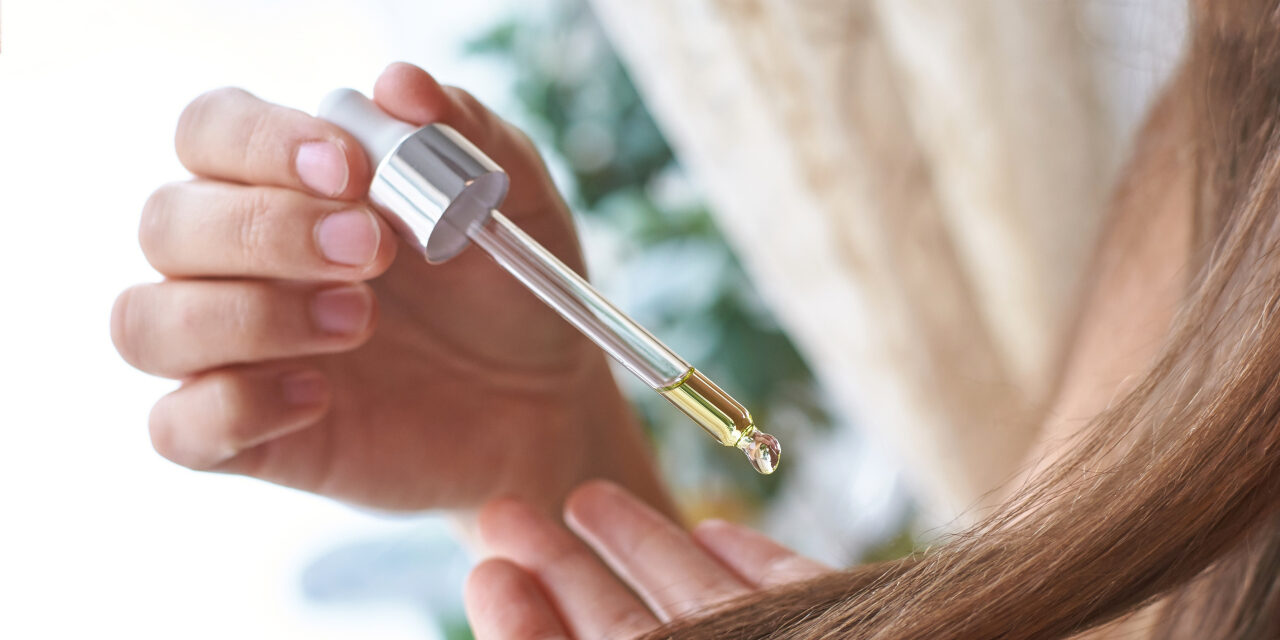
This post explains what hair bonding oils are. They repair hair from the inside, which is different from how normal oils work.
To understand why these oils are popular, you need to know how they work. They don’t just sit on top of the hair; they go deep inside to fix damage where it starts.
The Science Behind Hair Bonding Technology
Hair bonding oils use special technology to target the disulfide bonds in your hair. These bonds give hair its strength. When they break from heat or chemicals, hair gets weak and snaps easily.
The active ingredients in these oils find the broken parts and help them reconnect. This is a real repair job happening at a tiny level, not just a cover-up. It uses things like peptides and amino acids that can get inside the hair strand.
Normal hair oils just coat the hair to make it shiny and smooth. While that’s helpful, it doesn’t fix the main problem. Bonding oils do both: they repair the hair inside and make it look good on the outside.
Key Ingredients That Drive Results
How well hair bonding oils work is down to their ingredients. One key ingredient is bis-aminopropyl diglycol dimaleate, which is known to mend broken disulfide bonds. It’s been studied a lot and is proven to make hair stronger and stop it from breaking.
Peptides are also important. They act like building blocks to help rebuild damaged parts of the hair. Because they are small, they can get deep inside the hair easily to do their job.
Squalane is a light oil from plants that conditions hair without making it feel heavy. It’s a lot like the natural oil your scalp makes, so your hair accepts it well. It also helps lock in moisture.
Ceramides also help by fixing the hair’s outer layer. They fill in any gaps, which makes the hair feel softer and look shinier.
Proper Application Techniques
To get the most from hair bonding oils, you need to apply them correctly. Your hair should be damp, not soaking wet. This helps the oil spread out and soak in properly.
Start with a very small amount, maybe one or two pumps for medium hair. These oils are strong, so too much will make your hair greasy. Rub the oil between your hands first to warm it up.
Put the oil on the middle and ends of your hair, as this is usually where the worst damage is. Don’t put it on your roots unless your scalp is very dry, or it can look oily. Use your fingers or a comb to work it through.
Let the oil sink in for a few minutes before you start styling. This gives the ingredients time to start working. You can use it on wet or dry hair, but it works better on wet hair.
Choosing the Right Formula for Your Hair Type
Different hair types need different types of bonding oil. If you have fine hair, you need a light oil that won’t weigh it down. Look for thin oils that soak in fast.
Thick or coarse hair can use richer oils. These hair types often need more moisture and something to control frizz. You need to find an oil that is strong enough but not too heavy for your hair.
If your hair has been chemically treated, like coloured or permed, you will likely see the biggest change from Hair Bonding Oils. These treatments damage hair bonds, so the repair is very clear. Look for oils made for this type of hair.
Curly hair needs oils that both repair and add moisture. Curls are often weaker, so fixing the bonds is very important. Find a product that also helps define your curls.
Integration with Existing Hair Care Routines
It’s best to add hair bonding oils into your current routine. You can put it on dry hair for 10-15 minutes before you wash it. This lets the oil soak in deep without making your hair greasy later.
If you use it as a leave-in treatment, put it on after watery products like sprays, but before thick creams. This order helps the oil get into the hair properly.
If you use heat tools, put the oil on first. Many bonding oils protect from heat up to 230°C, so they do two jobs at once. The oil keeps working to repair hair even while you style it.
For an overnight treatment, use a bit more oil on damp hair and then loosely braid it. This gives it more time to work. It’s a good idea to use a silk or satin pillowcase so the oil doesn’t get on it.
Expected Results and Timeline
It’s good to know what to expect from Hair Bonding Oils. You’ll probably see more shine and feel a smoother texture after just a few uses. This is the first result from the oil working on the surface.
After two to four weeks of regular use, you should notice your hair feels stronger. It might break less and look healthier. The more you use it, the better the results will be.
Very damaged hair can take longer to improve. If your hair is damaged from chemicals, it could take a few months of use to see a big difference. You have to be patient and use it regularly.
Using the oil regularly also helps stop new damage. Many people find it helps their hair cope better with styling and day-to-day wear and tear.
Common Mistakes to Avoid
The biggest mistake is using too much. These products are very concentrated, so you need less than you would with normal oils. Start small to stop your hair from getting greasy.
Putting the oil on dirty hair can stop it from working well. It’s best to start with clean hair so the ingredients can get in properly.
If you don’t use it regularly, you won’t get the full effect. These oils work over time, so you need to keep using them.
Don’t expect the oil to be a quick fix for badly damaged hair. It works well, but it takes time to rebuild the hair. Be realistic and patient.
Professional vs At-Home Treatments
Salon treatments often use stronger versions of the ingredients. They might also use steam or heat to help the product sink in. The results can be better at first, but you need to go back to the salon to keep it up.
At-home Hair Bonding Oils are easy to use and cheaper for day-to-day care. The products might not be as strong as in a salon, but using them regularly gives great results over time.
A lot of people do both. They get a salon treatment for a big repair job and then use at-home products to maintain it. This gives you the best of both worlds.
The main thing is to find a routine that suits you and your budget. Using a good bonding oil regularly, whether it’s at home or from a salon, is better than having a strong treatment only now and then.
Storage and Shelf Life Considerations
Storing the oil properly makes it last longer. Keep it in a cool, dry place away from sunlight. The bathroom isn’t ideal because it gets hot and steamy.
Most bonding oils last for 12 to 24 months if you store them right. Check the date on the bottle. If the colour, smell, or feel changes, it might have gone off.
The oil might separate over time, which is normal. Just give it a gentle shake to mix it back up. If it doesn’t mix, you might need a new bottle.
Always keep the bottle screwed on tight to stop air getting in. A pump bottle is better than an open jar for keeping the product fresh.






Recent Comments